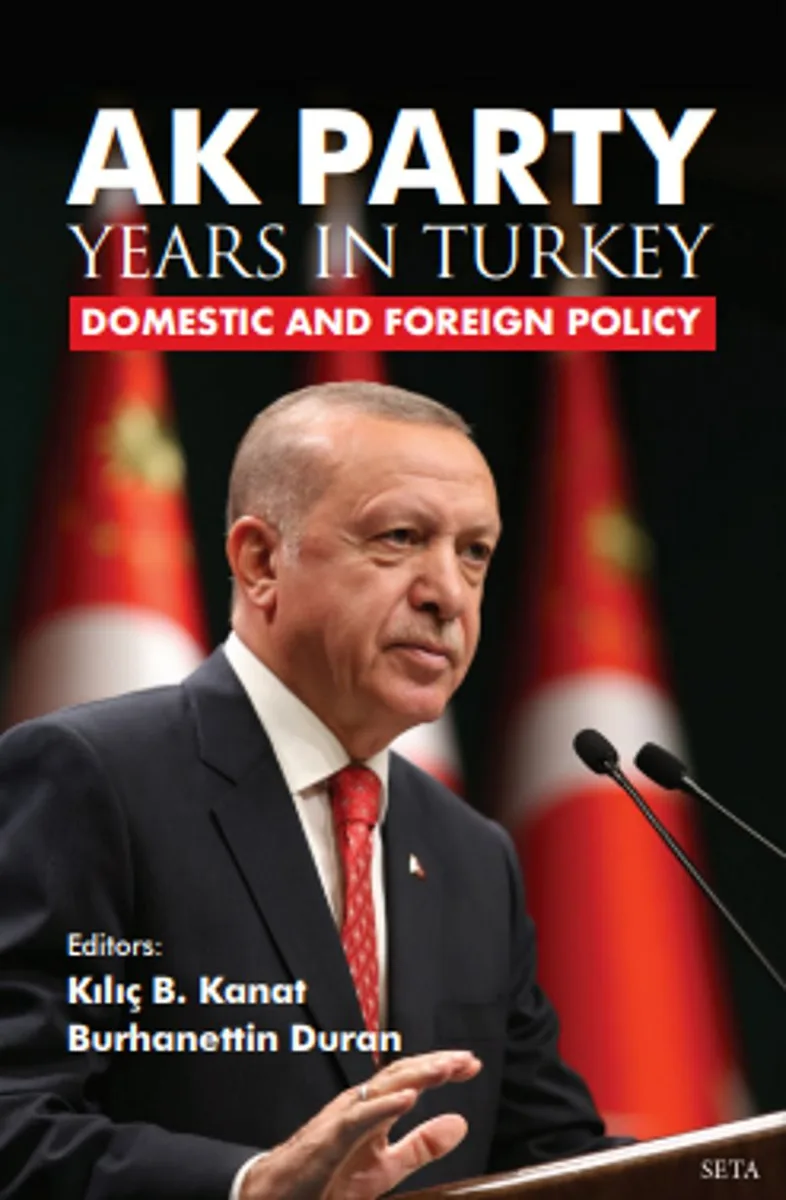
This edited volume is the product of the Young Scholars on Turkey (YSOT) Conference held in Washington, D.C. on February 12, 2014. We have worked with the presenters of the conference to transform their paper presentations into chapter-long analyses of various domestic and foreign policy issues in Turkey. The diversity of papers in terms of content and approach, combining historical analyses, theoretical exercises, and case studies, makes this compilation an interesting read for both academic and policy audiences. Chapters provide us with fresh research findings from early career academics on domestic and foreign policy issues. We hope that they contribute to a growing number of nuanced and careful analyses on Turkey. Huseyin Alptekin’s chapter, Kurdish Question and State Policies in Turkey, focuses on what he terms as “state incorporation policies” toward the Kurdish population under the AK Party since 2002 and the local perception of such policies. The study provides a theoretically informed and thorough examination of the trajectory of the government policies on the Kurdish issue. Alptekin examines ethnic incorporation in four main areas – security, socio-cultural, economic and political – and scrutinizes the local reception of government policies. In all these areas, there have been significant changes with varying degrees of success, some of which remained limited while others came close to a paradigm shift. Alptekin’s chapter presents a carefully analyzed summation of a set of inclusive and exclusionary policies that often compete with and sometimes overcome one another. Dilek Yankaya’s chapter, The Consolidation of the New Islamic Bourgeoisie in Turkey, analyzes what she terms as the consolidation of a “new Islamic bourgeoisie” under the rule of the Justice and Development Party (JDP), or AK Party. Through an examination of the recruitment and membership practices of the Association of Independent Industrialists and Businessmen (MÜSİAD), Yankaya presents us with an account of the relationship between these economic actors and political actors such as the members of the ruling JDP. This chapter helps us understand issues and mechanisms related to elite formation, social mobility, civic engagement, and interactions between politics and economic power. It also contributes to our understanding of local, small and medium-sized business owners’ relationship with local and national politics. The chapter depicts the symbiotic relationship between this new economic elite and political elites as the source of the new Islamic bourgeoisie’s consolidation. Begum Adalet’s chapter, The Road to Modernization: Technical Aid and Expertise in Turkish-American Interactions, offers an interesting historical perspective on Turkish-U.S. relations through the analysis of U.S. aid given to build an extensive highway network in Turkey following World War II. The chapter helps enrich our understanding of the workings of U.S. aid and the U.S. and Turkish experts’ conception of highways as part of the modernization process in the context of the Truman Doctrine and Turkey’s inclusion in the Marshall Plan. This discussion goes beyond a simple description of how U.S. aid to Turkey worked in this historic juncture by analyzing the highway initiative as a site of “contestation over the meanings of modernization, expertise, and diplomacy.” Adalet’s analysis makes an important contribution to our comprehension of the development of Turkish-U.S. relations as well as the trajectory of foreign aid in Turkey, especially as the country has emerged as a top international donor in recent years. Moritz Pieper’s chapter, Turkey’s Iran Policy: A Case of Dual Strategic Hedging, explores Turkish foreign policy toward the Iranian nuclear program, focusing on the nuclear negotiations in 2009-2010. Pieper treats Turkish involvement in the negotiations as a case of “dual strategic hedging” that allowed Turkey to manage its alliance with the West over non-proliferation concerns while respecting Iranian interests by opposing sanctions. Pieper takes issue with the idea that the Turkish approach was stuck between its Islamist foreign policy orientation and its position in the Western alliance. This chapter is an attempt to provide a nuanced understanding of Turkish involvement in the nuclear dossier, which was a requirement of both “geostrategic pragmatism” and “alliance management.” This analysis imparts us with a sort of template in which Turkey has to maintain and strengthen its alliances in the Western camp while addressing the challenges posed by an increasingly unstable neighborhood. Olgu Okumus’ chapter, Turkey’s Objective of Being an Energy Center, scrutinizes Turkey’s efforts to become an energy center by shedding light on the Turkish approach to various pipeline projects such as Nabucco and TANAP within the framework of the South Energy Corridor Project. Turkey’s aspiration to become an energy center seems to be propelled by energy security concerns on the part of Europe as well as Turkey. In trying to achieve this goal, Turkey has had to deal with regional political realities that have been anything but stable in recent years, as is made clear by the regional reverberations of the Arab Spring and the more recent instability in Ukraine. Through an evaluation of Turkey’s position in various oil and gas pipeline projects, Okumus demonstrates that Turkey is well on its way to become an energy center (not simply a corridor or a hub) with its most concrete step being the TANAP project. Kilic Kanat’s chapter, Turkish Foreign Policy in the Age of the Arab Spring, is an examination of the evolution of Turkish foreign policy in the age of the Arab Spring, the timing of which coincided with Turkey’s increasing profile in Middle East affairs after “decades of a non-intervention and non-interference” policy. Kanat provides us with a historical perspective on the rise of Turkish soft power, tracing its beginnings to the late 1990s when Tu
Bu bölüm, yayınevinin tanıtım metni temel alınarak yapay zeka ile hazırlanmış bir yorumdur; kitabın doğrulanmış içerik özeti değildir. Eserin türüne göre karakter veya olay örgüsü yorumları geçerli olmayabilir.
Ahmet Selim Tekelioğlu'nun 'Politics and Foreign Policy in Turkey' adlı eseri, Türkiye'nin siyasi yapısını ve dış politikalarını inceleyen kapsamlı bir çalışmadır. Kitap, Türkiye'nin tarihsel süreç içerisinde nasıl bir dış politika izlediğini, bu politikanın iç politikayla olan etkileşimini ve uluslararası ilişkilerdeki değişimlerin sonuçlarını ele alır. Yazar, Türkiye'nin coğrafi konumunu, tarihsel bağlamını ve siyasi kültürünü dikkate alarak, bu unsurların dış politikadaki karar alma süreçlerine nasıl yön verdiğini tartışır. Kitapta, Türkiye'nin mevcut dış politika stratejileri, bölgesel ve küresel aktörlerle olan ilişkileri, özellikle de Batı ile olan etkileşimleri detaylı bir şekilde analiz edilir. Tekelioğlu, Türkiye'nin demokrasi, insan hakları ve güvenlik gibi konulardaki tutumunu değerlendirirken, iç politikadaki değişimlerin dış politikasını nasıl şekillendirdiğine dair örnekler sunar. Sonuç olarak, eser, Türkiye'nin iç ve dış dinamiklerini anlamak isteyenler için önemli bir referans kaynağıdır.
Kitap, Türkiye'nin iç ve dış politikalarının etkileşimini derinlemesine incelerken, siyasi dinamiklerin ve uluslararası ilişkilerin nasıl şekillendiğini gözler önüne sermektedir. Ahmet Selim Tekelioğlu, Türkiye'nin coğrafi konumunun ve tarihi geçmişinin, dış politikadaki karar alma süreçleri üzerindeki etkilerini vurgular. İç politikadaki gelişmelerin dış politika üzerindeki yansımaları, demokratikleşme ve otoriterleşme arasındaki gerilim ile birlikte ele alınmaktadır. Bu bağlamda, Türkiye'nin kimlik politikaları, ulusal çıkarlar ve uluslararası ilişkilerdeki değişimler, yazarın tematik yapısını oluşturmaktadır. Tekelioğlu, ele aldığı konularla, okuyuculara Türkiye'nin çok boyutlu siyasi yapısını anlamaları için bir çerçeve sunar.
Bu kitapta belirgin bir karakter analizi yer almamakla birlikte, Türkiye'nin siyasi aktörleri ve karar vericileri dolaylı olarak ele alınmaktadır. Yazar, Türkiye'deki siyasi partilerin, liderlerin ve bürokratların, iç ve dış politika üzerindeki etkilerini incelerken, bu kişilerin motivasyonlarını, ideolojilerini ve stratejilerini analiz etmektedir. Özellikle, Adalet ve Kalkınma Partisi'nin (AKP) iktidara geliş süreci ve bu süreçteki siyasi figürlerin rolleri dikkat çekicidir. Tekelioğlu, bu karakterlerin, Türkiye'nin uluslararası arenadaki konumunu belirleyen temel unsurlar olduğunu savunarak, okuyucuya siyasi aktörlerin dinamiklerini daha iyi anlama fırsatı sunmaktadır.
Kitap, Türkiye'nin iç ve dış politikalarındaki değişimlerin arka planında yatan psikolojik faktörleri de ele alır. Özellikle, ulusal kimlik, güvenlik kaygıları ve tarihsel travmalar, Türk toplumunun kolektif psikolojisini şekillendiren unsurlar olarak öne çıkar. Tekelioğlu, bu faktörlerin, siyasi karar alma süreçlerinde nasıl etkili olduğunu ve Türkiye'nin uluslararası ilişkilerdeki tutumunu nasıl belirlediğini sorgular. Ayrıca, liderlerin psikolojik motivasyonları ve kamuoyunun algıları, dış politikadaki tutum değişiklikleri ile nasıl ilişkilidir gibi sorulara yanıt arar. Sonuç olarak, psikolojik dinamiklerin, Türkiye'nin ulusal çıkarlarını ve dış ilişkilerini nasıl etkilediğine dair derinlemesine bir bakış sunar.
Tekelioğlu'nun eseri, felsefi açıdan da önemli tartışmalara zemin hazırlar. Türkiye'nin dış politikası, ulus devlet kavramı, kimlik politikaları ve uluslararası etik gibi konuları sorgularken, okuyucuya derinlemesine düşünme fırsatı sunar. Yazar, Türkiye'nin uluslararası alandaki davranışlarının arkasındaki etik ve ahlaki soruları ele alır. Özellikle, güç politikası, uluslararası işbirliği ve çatışma gibi unsurlar arasında bir denge kurarak, Türkiye'nin bu bağlamda nasıl bir felsefi yaklaşım benimsediğini tartışır. Bu çerçevede, kitap, okuyucuların sadece siyasi bir analizle sınırlı kalmayıp, aynı zamanda felsefi derinlikte düşünmelerini de teşvik eder.
Kitap, Türkiye'nin dış politikasını tarihsel bir perspektifle ele alarak, geçmişten günümüze olan gelişmeleri inceler. Osmanlı İmparatorluğu'nun son dönemlerinden başlayarak, Cumhuriyet'in kurulması, Soğuk Savaş dönemi, 1990'lar ve günümüze kadar uzanan süreçler detaylı bir şekilde ele alınmaktadır. Tekelioğlu, bu tarihi bağlamda Türkiye'nin uluslararası ilişkilerdeki evrimini, bölgesel krizler ve büyük güçlerle olan ilişkiler çerçevesinde açıklar. Tarihsel olayların, Türkiye'nin dış politika stratejilerini nasıl şekillendirdiğine dair örneklerle, okuyucuya derin bir anlayış sunar. Bu bağlamda, kitabın tarihsel analizi, Türkiye'nin mevcut politikalarının kökenlerini anlamak için kritik bir öneme sahiptir.
Bir Karakterle Sohbet Et
PREMIUM AIBu kitabın bir karakterinin sesinden cevap alabilirsin — Litopya AI o karakteri canlandırır.
Henüz gönderi yok. İlk paylaşımı sen yap.
İçerik eklemek için giriş yap.
Henüz inceleme yok. İlk yorumu sen yaz.
İçerik eklemek için giriş yap.
Henüz alıntı yok. Sen ilk alıntıyı paylaş.
İçerik eklemek için giriş yap.
Türkiye'nin dış politikası, iç politikadaki değişimlerden nasıl etkilenmektedir?
Türkiye'nin dış politikası, iç politikadaki değişimlerden nasıl etkilenmektedir?
Henüz video yok. İlk videoyu sen yükle.
Kılıç Buğra Kanat, okurların ilgiyle takip ettiği bir yazar. Litopya kataloğunda 11 kitabı yer alıyor. Kitapları 2011-2025 yılları arasında SETA etiketiyle yayımlandı. Kitaplarının ortalama hacmi 221 sayfa. Eserleri ağırlıklı olarak Siyaset ve Araştırma-İnceleme kategorilerinde yer alıyor. En çok ilgi gören kitabı “Turkey's Syrian Refugees Toward Integration” (okur puanı 8.56). Kitabın tanıtımından: “The Syrian conflict has produced the most compelling humanitarian challenge of the 21st century. According to the United Nations Office for the Coordination of Humanitarian Affairs (OCHA), there are 12.2 million people in need of…” Litopya okurları bu kitaplara 97 puan bıraktı. Ortalama puanı 10 üzerinden 8.54.
Kılıç Buğra Kanat sayfasının tamamıAynı yazarın Litopya'daki diğer eserleri