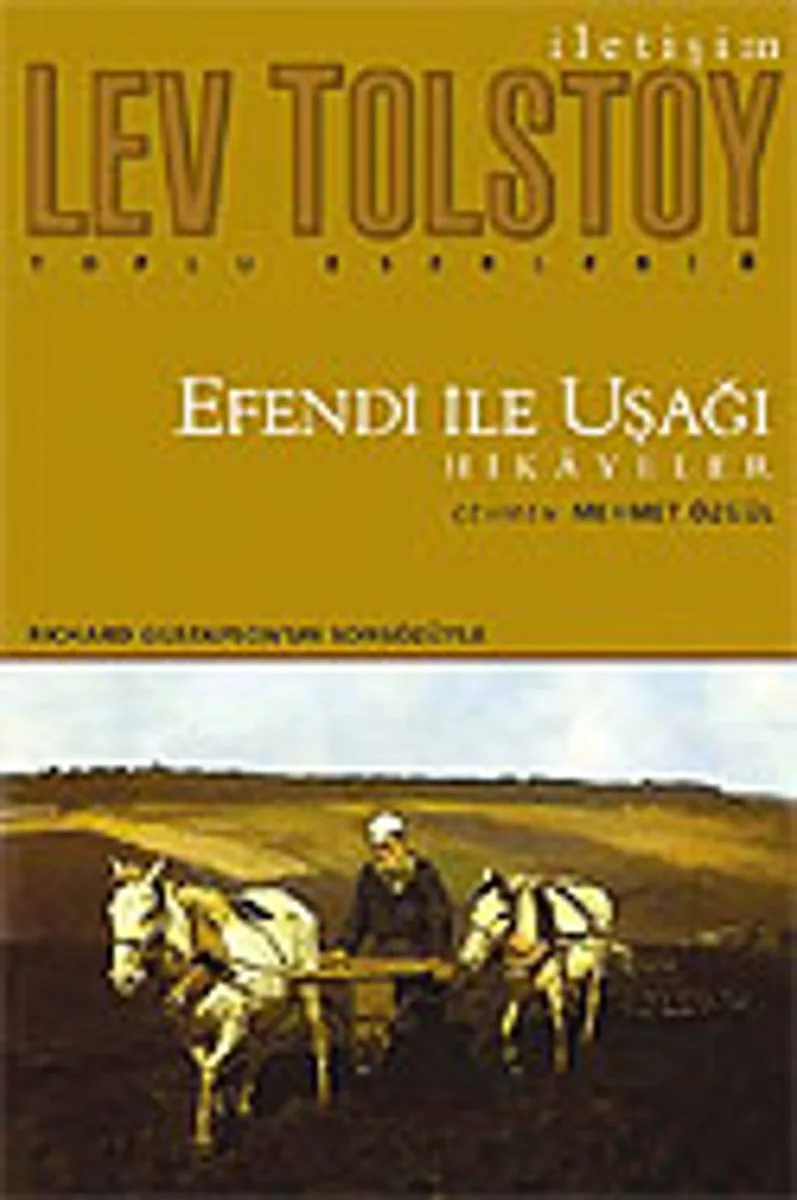
Tolstoy's Philosophy of Man and Life The great writer and thinker Tolstoy, who has the qualification of being one of the two most read authors in the world, is one of the rare pen that has attracted the attention of Turkish readers since the years he lived and won his appreciation. Tolstoy's works, both with his ideas and with his literary works, are still among the bedside books of qualified readers. If a person continues on his way by saying "My job is to love God and people, no matter what positive and negative experiences they experience; this person's life is happy, peaceful and grateful. The secret to solving life is “knowing yourself”. Know yourself, you will be successful in life's purpose. Know yourself to radiate light, energy and happiness around you. It is up to you to turn every negative into a positive. Don't forget! You are the “honorable person. Then may “Tolstoy” be your companion on this journey you set out to find yourself. The work, which consists of nine books, has been simplified and brought together. 1.Tolstoy examines the concept of Love and Conversation by referring to the holy texts and the ideas of great thinkers, and invites his readers to a happy life in a climate of peace and belief. 2.Tolstoy, Prayer comes before the reader in a different style than the other books in the same series. The author, who adopted the style of persuasion by telling parables in the Eastern tradition in his work called Dua; emphasizes the importance of prayer, surrender and patience through the interrogations of a mother whose child has died. 3. Tolstoy, The Word, The Word, just like the truth in Yunus's lines: "Push wart for word / short head for word", it turns towards the uniting and separating aspect of the word, the value of the word. The work in which concepts such as speaking, discussing, speaking abusive words and being silent are presented to the reader with a moralistic perspective; It is also very important in terms of pointing out the attitudes that mature individuals should adopt in a mature society. In the book, which consists of seven chapters, Tolstoy does not neglect to refer to the words of great thinkers who have a place in the history of world thought, while presenting his ideas. 4. Tolstoy, like a religious scholar, tries to draw the boundaries of the concepts of Faith and Faith and to embody these concepts. Expressing that faith and belief are concepts that are formed in the self when a person understands what he is in the world for, the author engraves the relationship of true faith with life into the mind and heart of the reader in his work, which consists of nine small chapters. 5. Tolstoy, Conscience confronts the reader with a different style than the other books in the same series. While presenting the advice and wise words of thinkers who lived in different centuries and different countries to the reader with a selection understanding, he expands the inclusiveness of these words with his own thoughts. The work, which gives a value and meaning to life through concepts such as patience, evil and goodness, truth and faith, is an effort to illuminate the eternal issues that people ask themselves. 6. Tolstoy, Spirit raises the cornerstones of his faith above the thoughts of great ideas. Emphasizing the idea of the soul of the essence of man in the context of soul and body, the author underlines that people live with the soul and depicts the quality of the soul, which is an abstract concept, in his own words. 7. Tolstoy invites the reader to a peaceful life climate by revealing the intellectual foundations of the idea of equality, equality and fraternity of people. 8.Tolstoy. In the book consisting of seven chapters of anger; It focuses on the inconveniences of wishing for the evil of others, the consequences of anger, the importance of being humble and the necessity of staying away from bad habits. As in his other works in the same series, Tolstoy presents to the reader the views of intellectuals who grew up in previous ages, in different geographies and left traces in the history of thought, with their own views. Hz. The author, who makes use of two hadiths belonging to the Prophet Muhammad, gives clues to people, society, peace, salvation and living a meaningful life in this work. 9. Tolstoy deals with Death, which is the greatest truth of mankind since eternity, and the issue of death, which he has difficulty in making sense of. The author, who emphasizes that death is not non-existence and that life does not end with death, by referring to the holy texts and the ideas of great thinkers, attaches a special importance to Eastern religions and thinkers in his work. Best wishes for good reading...
Bu bölüm, yayınevinin tanıtım metni temel alınarak yapay zeka ile hazırlanmış bir yorumdur; kitabın doğrulanmış içerik özeti değildir. Eserin türüne göre karakter veya olay örgüsü yorumları geçerli olmayabilir.
'Tolstoy'un İnsan ve Hayat Felsefesi' adlı eserinde, Tolstoy, insanın yaşamı boyunca karşılaştığı temel soruları ele alır. Eser, insanın mutluluğunu ve anlam arayışını merkezine alarak, bireyin içsel yolculuğunu keşfeder. Tolstoy, insanın doğasını, özgürlüğünü ve sosyal sorumluluklarını irdeleyerek, okuyucularını derin düşüncelere sevk eder. Bu süreçte, ahlak, sevgi, dayanışma ve bireysel vicdan gibi kavramlar üzerinde durulur. Yazarı, kendi hayatındaki deneyimlerinden yola çıkarak, insanın varoluşuna dair derin bir sorgulama yapar ve bu sorgulama, okuyucunun kendi yaşamına dair içgörüler kazanmasına yardımcı olur. Eser, felsefi düşüncelerle dolu olup, okuyucuyu sadece düşünmeye değil, aynı zamanda yaşamı yeniden değerlendirmeye teşvik eder. Tolstoy'un felsefesi, yaşamın anlamını bulma çabasında, bireyin kendini keşfetmesi ve toplumsal bağlarını anlaması açısından büyük bir önem taşır.
Tolstoy'un 'İnsan ve Hayat Felsefesi' adlı eseri, insanın varoluşuna dair derin bir sorgulama sunar. Eser, insanın hayatta ne aradığı, mutluluğun ve anlamın ne olduğu gibi evrensel temaları işler. Tolstoy, bireyin içsel yolculuğuna ve toplumsal sorumluluklarına dikkat çeker. Bu bağlamda, insanın kendi özünü keşfetmesi ve ruhsal gelişimi üzerinde durur. Eser, bireysel ve toplumsal yaşamın birbirini nasıl etkilediğini ortaya koyarak, insanın yaşamı boyunca karşılaştığı etik ve ahlaki sorunları tartışır. Tolstoy'un felsefesi, insanın doğası, özgürlüğü, sevgi ve dayanışma gibi kavramlar etrafında şekillenir. Bu temalar, okuyucuda derin bir düşünce ve sorgulama süreci başlatır.
Bu eserde belirli karakterler yerine, insanın evrensel doğası ve yaşamı anlayışına dair düşünceler öne çıkmaktadır. Tolstoy, insanı çok yönlü bir varlık olarak ele alır ve bu bağlamda, herkesin içsel çatışmalarını, acılarını ve mutluluk arayışını yansıtır. Eser, insanın ruhsal yolculuğunun yanı sıra, toplumla olan ilişkisini de irdeleyerek, okuyucunun kendi hayatındaki karakteristik özellikleri sorgulamasına olanak tanır. Tolstoy'un karakter anlayışı, insanın evrensel değerleri ve etik sorumlulukları etrafında şekillenir. Bu bağlamda, karakterler yerine insanlık durumu ve ahlaki ikilemler ön plana çıkar.
Tolstoy'un eseri, insanın psikolojik durumunu ve içsel çatışmalarını derinlemesine inceler. İnsanların mutluluk arayışları, toplumsal normlar ve içsel değerler arasındaki çatışmalar, eserin temel psikolojik temalarındandır. Tolstoy, bireylerin kendi kimliklerini bulma yolculuklarını ve bu süreçte yaşadıkları ikilemleri ele alır. Bu bağlamda, insanın kendini anlama çabası ve dış dünyanın etkileri üzerine düşünceler sunar. Eser, okuyucunun kendi içsel dünyasına yönelik bir sorgulama yapmasını teşvik ederken, aynı zamanda toplumsal baskıların birey üzerindeki etkilerini de gözler önüne serer. Tolstoy'un psikolojik çözümlemesi, insanın duygusal ve ruhsal durumları arasında derin bir bağlantı kurarak, okuyucunun kendisiyle yüzleşmesine olanak tanır.
Tolstoy'un 'İnsan ve Hayat Felsefesi' eseri, felsefi düşüncenin derinliklerine inmektedir. Eserde, insanın varoluşsal sorgulamaları, ahlaki sorumlulukları ve yaşamın anlamı gibi temel felsefi konular irdelenir. Tolstoy, bireyin kendi içsel yolculuğunda yaşadığı çatışmaları ve toplumsal değerlerle olan ilişkisini sorgulayarak, felsefi bir perspektif sunar. Bu bağlamda, mutluluk, özgür irade ve sevgi gibi kavramlar üzerinde derinlemesine bir inceleme yapar. Tolstoy'un felsefesi, okuyuculara yaşamın anlamını keşfetme yolunda bir rehberlik ederken, insanın içsel huzurunu bulma çabasının önemini vurgular. Eser, düşünsel derinliği ve felsefi yaklaşımlarıyla, okuyucunun kendi varoluşunu sorgulamasına olanak tanır.
Tolstoy'un 'İnsan ve Hayat Felsefesi', 19. yüzyıl sonları ile 20. yüzyıl başları arasında ortaya çıkan düşünsel akımların etkilerini taşır. Bu dönemde, bireyin toplumsal sorumlulukları, ahlaki değerler ve varoluşsal sorgulamalar ön plana çıkmıştır. Tolstoy, bu tarihsel bağlamda, toplumsal adalet, barış ve insanlık durumu üzerine derinlemesine düşünceler geliştirmiştir. Eser, dönemin sosyal ve politik yapısı ile bireyin ruhsal durumu arasındaki ilişkiyi sorgularken, okuyucuya tarihsel perspektif sunar. Tolstoy'un düşünceleri, kendi döneminin toplumsal sorunlarına duyarlılık göstererek, insanın evrensel değerleri üzerine odaklanır. Bu bağlamda, eser, tarihsel olayların ve toplumsal değişimlerin birey üzerindeki etkilerini gözler önüne serer.
Bu kitabın bir karakterinin sesinden cevap alabilirsin — Litopya AI o karakteri canlandırır.
Henüz gönderi yok. İlk paylaşımı sen yap.
İçerik eklemek için giriş yap.
Henüz inceleme yok. İlk yorumu sen yaz.
İçerik eklemek için giriş yap.
Henüz alıntı yok. Sen ilk alıntıyı paylaş.
İçerik eklemek için giriş yap.
Henüz soru yok. İlk soruyu sen sor.
Henüz video yok. İlk videoyu sen yükle.
Aynı yazarın Litopya'daki diğer eserleri